
Comparing Life at Home and Senior Living
You already know what today looks like. The check-in calls. The workarounds. The bills that come from different directions. Here’s what can change when the right support – and a clearer picture of the costs – are in place.
Staying at Home vs. Senior Living: What Changes?
At Home: You check your phone every morning, wondering if today is the day something happens and you’re not there to help. The doorbell camera helps, but it doesn’t stop the anxiety.
At Phoenix Senior Living: Someone is always there. Not hovering, just present. 24-hour staff support, emergency response system in every apartment and the kind of daily visibility that lets you exhale and stop wondering what if.
At Home: Their world gets smaller. Outings require extensive planning. The TV is on a lot. They may say they’re fine, but you can tell that something is missing from their days.
At Phoenix Senior Living: Neighbors become friends. There’s something to show up for every day: a class, an event, a meal with people who know your name or simply a reason to get dressed.
At Home: The house is too much. The yard isn’t getting maintained. The stairs are a challenge. The things that used to take 10 minutes now take all day, or just don’t get done.
At Phoenix Senior Living: Housekeeping, linens, maintenance: all handled. Not because they can’t, but because they shouldn’t have to spend their energy on it anymore.
At Home: The fridge has food in it, but no one is cooking. Meals get skipped. They get by on low-maintenance meals, but you worry if they’re getting the nutrition they need. You bring food over when you can.
At Phoenix Senior Living: Nourishing options at every meal, table service that makes dining seamless, dietary restrictions accommodated and chefs who know exactly what they need and like.
At Home: They’ve stopped driving or you’re afraid of them getting behind the wheel. Every appointment and grocery run revolves around someone else’s schedule. The independence they say they have depends entirely on you. Staying independent often means relying on you to fill in the gaps.
At Phoenix Senior Living: Scheduled transportation for appointments, errands and outings are handled. Their schedule becomes theirs again – and so does yours.
At Home: The walk to the mailbox is daunting. Maybe their doctor has said to exercise more. There’s no one to do it with and no structure to make it happen.
At Phoenix Senior Living: Daily movement with a purpose – designed for how seniors actually move. More strength, better balance, greater mobility. And people to enjoy it with.
At Home: You don’t talk about what happens next. But you think about it. A fall. A diagnosis. A slow decline nobody named until it was a crisis.
At Phoenix Senior Living: Care adjusts as needs do – from occasional assistance to more hands-on support. It’s all handled in the same community with people who already know them.
What Your Parents Might Say
That may be the case. But they may also be working hard to look fine because they don’t want to worry you. Both things can be true. The question isn’t always whether they need help right now. It’s whether “fine” is the same as “fulfilled.”
Many families tell us they waited because things still seemed manageable. But you don’t have to wait until something goes wrong to explore what could make life better.
At Phoenix Senior Living, no one shows up and takes over every facet of their life. Support is there when it’s wanted, in the background when it’s not.
This is the big one. And it’s worth taking seriously because they mean it. But it’s worth asking: what does their independence look like today? If driving, cooking and getting to appointments are difficult, it may be worth considering whether another setting could actually offer more freedom.
Here, residents have their own apartment, their own schedule and their own choices. The difference is that they also have options: a ride when they want one, a meal they didn’t have to make and help they didn’t have to ask a family member for.
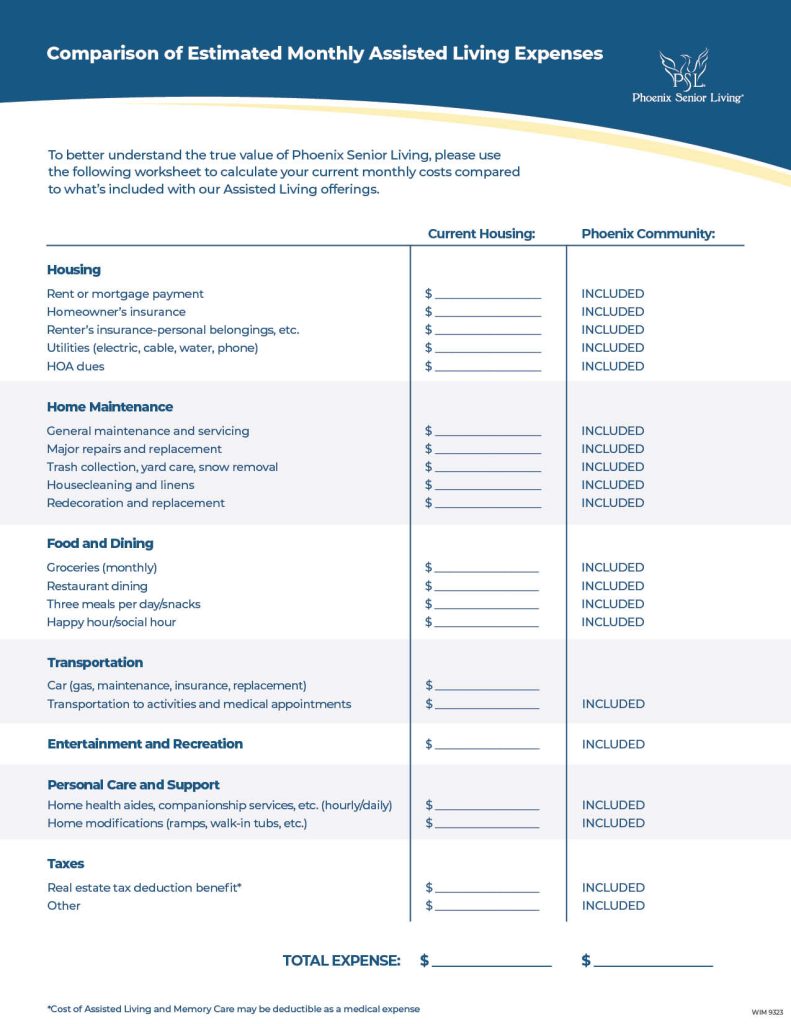
Add up what staying home is actually costing: the mortgage or rent, utilities, maintenance, groceries, the home care hours you’re already paying for or the time you’re giving up from work to fill the gaps. For most families, the gap is smaller than they expect. For some, community living is actually less.
Our team will walk through the real numbers with you. No pressure, just clarity.
Home means safety, familiarity, cherished memories. Of course they don’t want to leave that behind.
But home is also the place where the world has gotten smaller. Where the stairs are a problem. Where neighbors moved away and visitors are few and far between. Home can become the thing that keeps them stuck without either of you recognizing it.
A new home doesn’t erase the old one. The life they’ve built goes with them. And sometimes a change of address can open up a whole new world.
You can. And for a while, that works.
But home care is one person in a house. It’s not a community. It gets boring. It’s not a neighbor knocking on the door to share morning coffee. And 24-hour home care often costs more than most senior living communities, with less to show for it.
The question is whether you’re choosing home care because it’s better, or because a move feels too big to think about right now.
That used to be true, but not anymore. Most people who move into a Phoenix Senior Living community don’t need round-the-clock medical care. They need a little support, a lot of connection and a place that’s built for this chapter – instead of a house that was built for a different one.
What You’re Actually Trying to Figure Out
The monthly cost of assisted living typically includes more than your apartment. Meals, utilities, housekeeping, maintenance, activities and access to support may all be included, while personalized care may be priced separately based on individual needs. When comparing communities, ask for a clear breakdown of the monthly rate, care costs and any additional fees. The goal is to understand what you can realistically expect to pay each month – not just the number you see advertised.
Assisted living care isn’t one-size-fits-all. Communities may offer different levels of support based on how much help a resident needs with everyday activities like bathing, dressing, mobility and medication management. As those needs change, their level of support – and monthly cost – may change, too.
Ask how care levels are determined, what’s included at each level and how pricing differs. It’s also helpful to understand how often needs are reassessed and how any changes are communicated to families. Knowing how care and costs can evolve upfront makes it easier to plan for what comes next.
Start by comparing more than the base monthly rate. One community may include services that another charges for separately, so two similar-looking prices can represent very different things.
Ask for an itemized list of what’s included, then compare the same categories across communities: housing, meals, utilities, housekeeping, transportation, activities, personal care, medication assistance and other recurring fees. This makes it easier to understand what each monthly rate really covers.
It depends on how much support your loved one needs. Staying at home can initially seem less expensive because many of the costs are already part of everyday life. But it helps to add up the full picture.
Consider housing expenses, utilities, groceries, home maintenance, transportation and paid caregiving – along with how many hours of care are needed each week. And while it doesn’t appear on a bill, consider the time family members spend coordinating appointments, preparing meals, running errands and filling gaps in care. Comparing the full cost and level of support can give you a much better idea.
Clear Costs. Clear Expectations.
What’s Included in Your Monthly Base Rate:
- Housing and utilities
- Three meals and snacks each day
- Housekeeping and laundry
- Transportation
- Social activities and wellness programming
- 24-hour staffing
- Emergency response system
- Apartment maintenance and repairs
- Ongoing wellness checks
What May Increase Costs:
- Care level increases (assessed individually)
- Specialized services outside of the standard care plan
- Changes in apartment type or accommodations

Tools You Can Use Right Now

Phoenix Senior Living Caregiver Guide
Cost Comparison Worksheet
Bring Your Questions. We’ll Give You Clear Answers.
No commitment. No sales pitch. Just an honest conversation about what this could look like for your family.