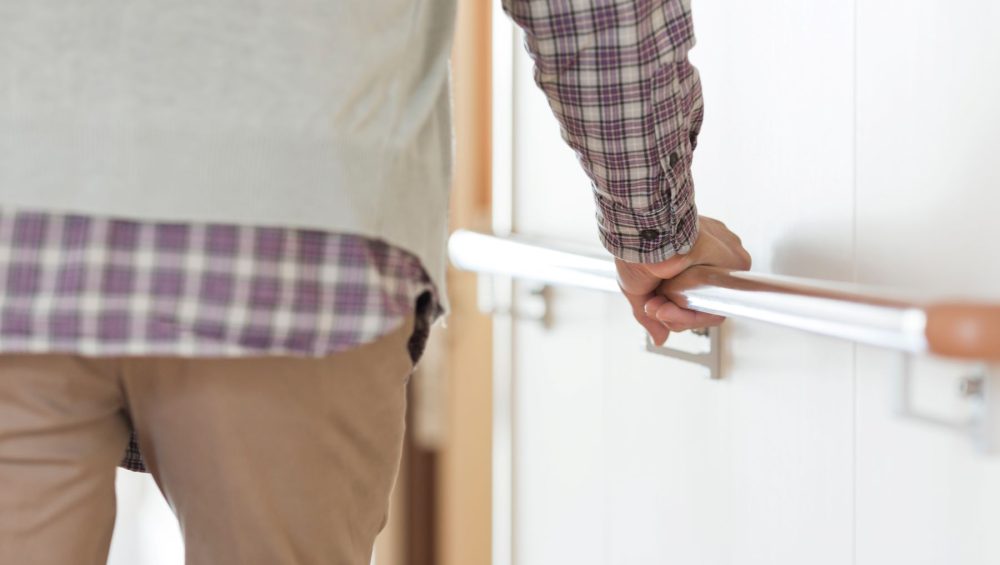
A fall can happen in an instant, but its impact can last for months or years. For older adults, falls are a leading cause of injury and loss of independence – yet many are preventable.
September is Fall Prevention Awareness Month, a reminder to take a proactive approach to home safety. By recognizing risk factors and addressing hazards room by room, caregivers and their loved ones can help create an environment that supports both safety and independence.
Signs Someone May Be at Higher Risk of Falling
Falls are often the result of multiple factors rather than a single incident. Recognizing the warning signs can help families act before a serious injury occurs. Common indicators include:
- Difficulty walking or maintaining balance
- Muscle weakness or decreased mobility
- Changes in vision or hearing
- Dizziness or lightheadedness
- A recent fall or frequent near-falls
- Side effects from medications
- Chronic conditions such as arthritis, diabetes, Parkinson’s disease or stroke-related impairments
A Safety Checklist for Each Room
As we age, natural changes in strength, coordination and vision can make navigating the home more challenging. Fortunately, many hazards can be addressed with simple modifications.
Entryways and Hallways
- Install sturdy handrails on both sides of stairways whenever possible.
- Repair cracked sidewalks, uneven steps and loose thresholds.
- Improve lighting near entrances, in hallways and on staircases.
- Remove clutter, electrical cords and decorative items from walkways.
- Consider motion-sensor lighting for added visibility at night.
Living Room
- Arrange furniture to create wide, unobstructed walking paths.
- Remove or secure throw rugs that may slip or curl at the edges.
- Keep frequently used items – such as remotes, phones and reading materials – within easy reach.
- Choose sturdy chairs with armrests to make sitting and standing easier.
- Ensure lamps and overhead lighting adequately illuminate the space.
Kitchen
- Store everyday dishes, cookware and pantry staples between waist and shoulder height.
- Use a stable step stool with handrails if accessing higher shelves is necessary.
- Wipe up spills immediately to prevent slippery surfaces.
- Keep walkways clear of clutter and loose floor mats.
Bathroom
- Install grab bars near the toilet and inside the shower or bathtub.
- Use non-slip mats or adhesive strips in bathing areas.
- Consider a shower chair and handheld showerhead for added stability.
- Keep toiletries, towels and personal care items easily accessible.
- Add bright lighting and nightlights to improve visibility.
Bedroom
- Place a lamp, phone and other essentials within reach of the bed.
- Keep pathways clear between the bedroom and bathroom.
- Remove loose rugs and unnecessary furniture.
- Install nightlights to illuminate walkways after dark.
- Ensure the bed height allows for easy and safe transfers in and out of bed.
Beyond Home Modifications
Fall prevention extends beyond the physical environment. Regular exercise improves strength and balance, routine vision and hearing exams catch changes that affect mobility and medication reviews with a healthcare provider can uncover side effects that increase fall risk. Open and honest conversations with loved ones about stumbles or health changes can help catch problems early before a fall occurs.
Supporting Safety and Peace of Mind
Creating a safer home doesn’t require a complete renovation. Often, small, thoughtful changes make a real difference. A clearer walkway, better lighting or a well-placed grab bar can help reduce risk while giving older adults – and the people who care about them – greater peace of mind.